Introduction
Winter brings beautiful snowy landscapes, but plummeting temperatures present hidden dangers for our canine companions. Many pet owners assume a furry coat protects dogs from freezing weather, but this is a dangerous myth. Understanding the signs of hypothermia and frostbite in dogs: cold weather safety temperature limits can save your pet’s life. When winter weather strikes, knowing how much cold your dog can safely handle is just as important as feeding them a nutritious diet.
Understanding Cold Weather Safety Temperature Limits for Dogs
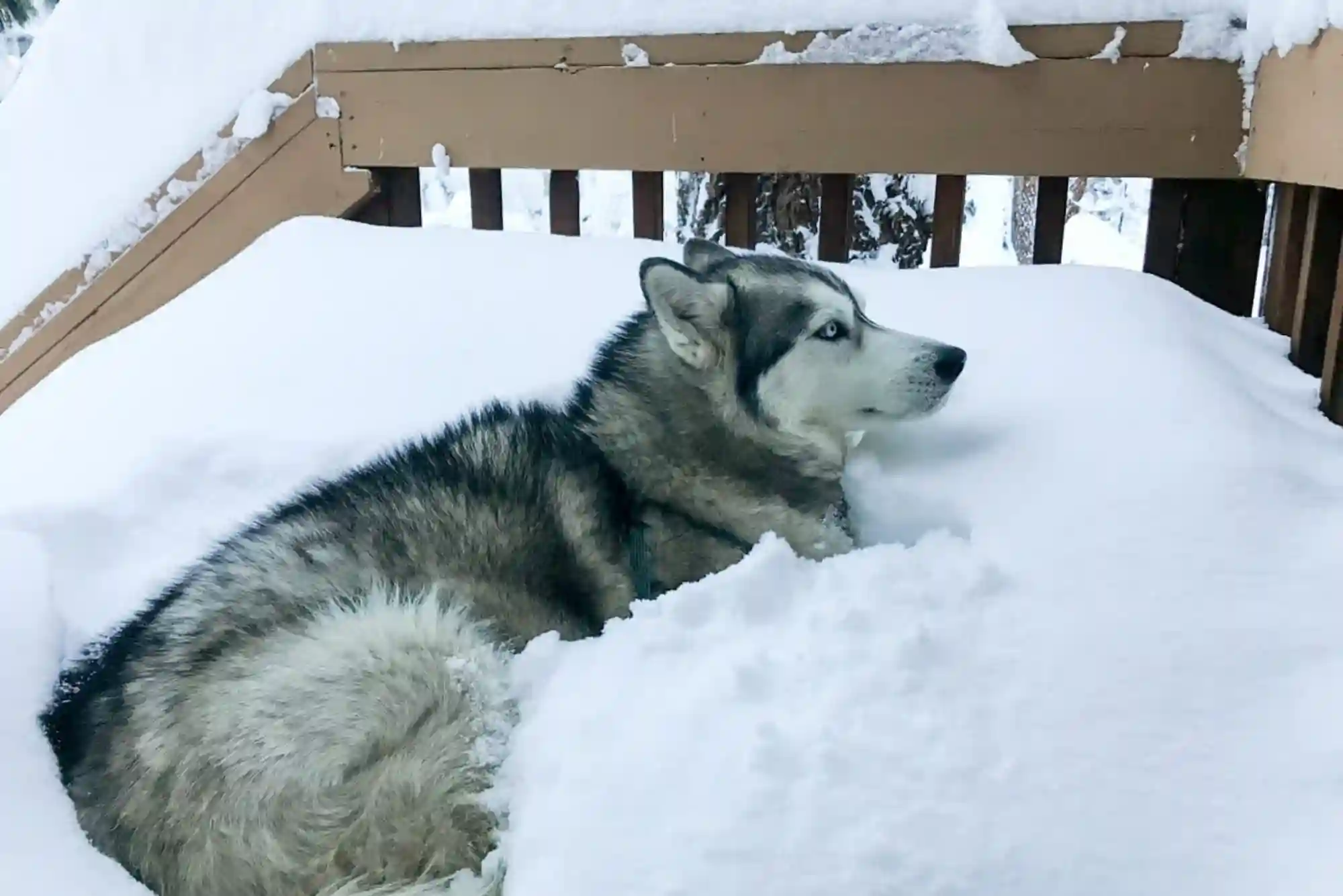
Every dog processes cold weather differently based on breed, size, coat thickness, and overall health. A thick-coated Siberian Husky handles snow much differently than a short-haired Chihuahua or an aging Greyhound. General temperature guidelines help owners gauge safety risks. Temperatures between 45 and 50 degrees Fahrenheit are generally safe for most dogs, though sensitive breeds might shiver. Once temperatures drop below 32 degrees Fahrenheit, small dogs, puppies, seniors, and thin-coated breeds face serious health risks during prolonged exposure. When the thermometer dips below 20 degrees Fahrenheit, hazardous conditions threaten nearly all dogs, making extended outdoor time unsafe. Wind chill and damp fur drastically accelerate heat loss, turning a mild day into a freezing emergency within minutes.
Recognizing Early and Advanced Signs of Hypothermia in Dogs
Hypothermia occurs when a dog’s body loses heat faster than it can produce it, causing core body temperature to drop below the normal range of 101 to 102.5 degrees Fahrenheit. Mild hypothermia sets in when internal temperatures fall to between 90 and 99 degrees Fahrenheit. Early warning signs include intense shivering, a hunched posture, whining, and a reluctance to continue walking. As the condition progresses into moderate or severe stages, body functions slow down drastically. You might notice your dog becoming sluggish, uncoordinated, and confused. In severe cases below 82 degrees Fahrenheit, shivering stops entirely, pupils dilate, breathing becomes shallow, and the dog may slip into unconsciousness. This medical emergency requires immediate veterinary intervention to prevent organ failure or death.
Spotting the Hidden Dangers of Frostbite in Dogs
Frostbite happens when extreme cold restricts blood flow to a dog’s extremities to protect vital core organs. Areas most vulnerable to frostbite include the ear tips, tail, paw pads, and nose. Because the skin initially goes numb, dogs may not cry out or show immediate pain while outside in freezing conditions. Symptoms often take several days to become fully visible after exposure. Affected skin may look pale, grey, or bluish, and it will feel ice-cold and brittle to the touch. As the tissue thaws inside a warm house, it can become swollen, painful, blistered, or blackened. Never rub or massage frostbitten tissue, because ice crystals can tear delicate skin cells and cause permanent damage.
Immediate First Aid and Emergency Home Treatment Steps
If you suspect your dog is suffering from cold exposure, swift action can prevent lasting damage. Move your dog indoors immediately, placing them in a warm, draft-free room away from cold floors. Gently dry any wet fur with a soft towel, as moisture drains body heat rapidly. Warm your dog gradually using thick blankets or towels straight from the dryer. You can place warm water bottles wrapped in layers of fabric against their chest to help raise core temperature safely. Avoid using heating pads, hair dryers, or direct high heat sources, as numb skin burns easily. If body temperature does not rise, or if you notice signs of severe frostbite and lethargy, contact your veterinarian right away.
Practical Winter Prevention Tips for Responsible Pet Owners
Keeping your dog safe all winter long requires simple adjustments to your daily routine. Limit outdoor walks during freezing snaps, opting for short, brisk bathroom breaks instead of long hikes. Invest in a well-fitting, insulated dog coat or sweater to help retain body heat for short-haired breeds. Consider protective dog booties to shield sensitive paw pads from abrasive ice, snow, and chemical de-icers commonly found on sidewalks. Always wipe down your dog’s paws and legs after outdoor excursions to remove hidden salt and freezing slush. Ensure outdoor shelter is thoroughly insulated and draft-free if your dog spends any monitored time outside.


Frequently Asked Questions
What temperature is too cold to walk a dog?
Temperatures below 32 degrees Fahrenheit pose risks for small, elderly, or thin-coated dogs. Below 20 degrees Fahrenheit, almost all dogs face rapid risks of hypothermia and frostbite during extended walks.
How can I tell if my dog is cold outside?
Common indicators include persistent shivering, lifting paws off the frozen ground, a tucked tail, whining, and a sudden desire to turn back toward home.
Can dogs recover fully from hypothermia?
Many dogs make a full recovery if mild hypothermia is caught early and treated with gradual warming. Severe cases require immediate veterinary care, intravenous fluids, and intensive monitoring.
What areas of a dog’s body are most prone to frostbite?
The ear tips, tail, nose, and exposed paw pads are the most common areas affected by frostbite because blood flow shunts inward to protect internal organs.