Introduction
Discovering that your beloved cat has diabetes can feel overwhelming at first. Many pet parents experience a mix of fear and confusion upon hearing the diagnosis. However, feline diabetes is a very manageable condition today. With the right knowledge and a solid routine, your cat can live a happy life. Managing this disease relies on three core pillars. You must recognize early feline diabetes symptoms, insulin care, and low-carb wet food meal plans. When these elements work together, you take back control of your cat’s health. Let us dive into what you need to know to become a confident pet caregiver.
Understanding Feline Diabetes Symptoms
Spotting the early warning signs can save your cat from serious complications. Cats are notorious for hiding illness until it becomes advanced. Therefore, you must pay close attention to subtle behavioral changes in your daily routine. Increased thirst and frequent urination are usually the very first red flags. You might notice your cat visiting the water bowl much more often. Litter box cleanups will also reveal much larger or heavier clumps than normal. Sudden weight loss despite a ravenous appetite is another classic symptom. Your cat may beg for food constantly yet continue to look skinny. This happens because the body cannot use glucose for energy properly. Instead, it starts breaking down muscle and fat for fuel. Lethargy and weakness in the hind legs often follow as the condition progresses. Some diabetic cats develop a flat-footed walking stance due to nerve damage. If you notice any of these signs, schedule a veterinary checkup right away. Blood and urine tests will confirm whether your cat has diabetes.
Mastering Insulin Care for Cats
Once your vet confirms a diagnosis, insulin therapy typically becomes necessary. Giving injections to a cat sounds terrifying to most owners initially. Yet, most people master the technique within just a few days. Proper insulin administration requires a strict routine and precise timing. You must give injections every twelve hours ideally to keep blood sugar stable. Always feed your cat shortly before or right after giving the shot. This prevents their blood sugar from dropping dangerously low, known as hypoglycemia. Safe insulin handling and storage are just as important as the injection itself. Always store your insulin vials in the refrigerator according to the manufacturer guidelines. Never shake the bottle vigorously, as this can break down the delicate insulin molecules. Instead, gently roll the bottle between your palms before drawing the dose. Monitoring blood glucose levels at home helps you track treatment success. Your vet may recommend using a pet-specific glucose meter or a continuous monitor. Keep a detailed daily log of doses, eating habits, and behavior changes. This log provides invaluable data during your veterinary follow-up visits.
Low-Carb Wet Food Meal Plans
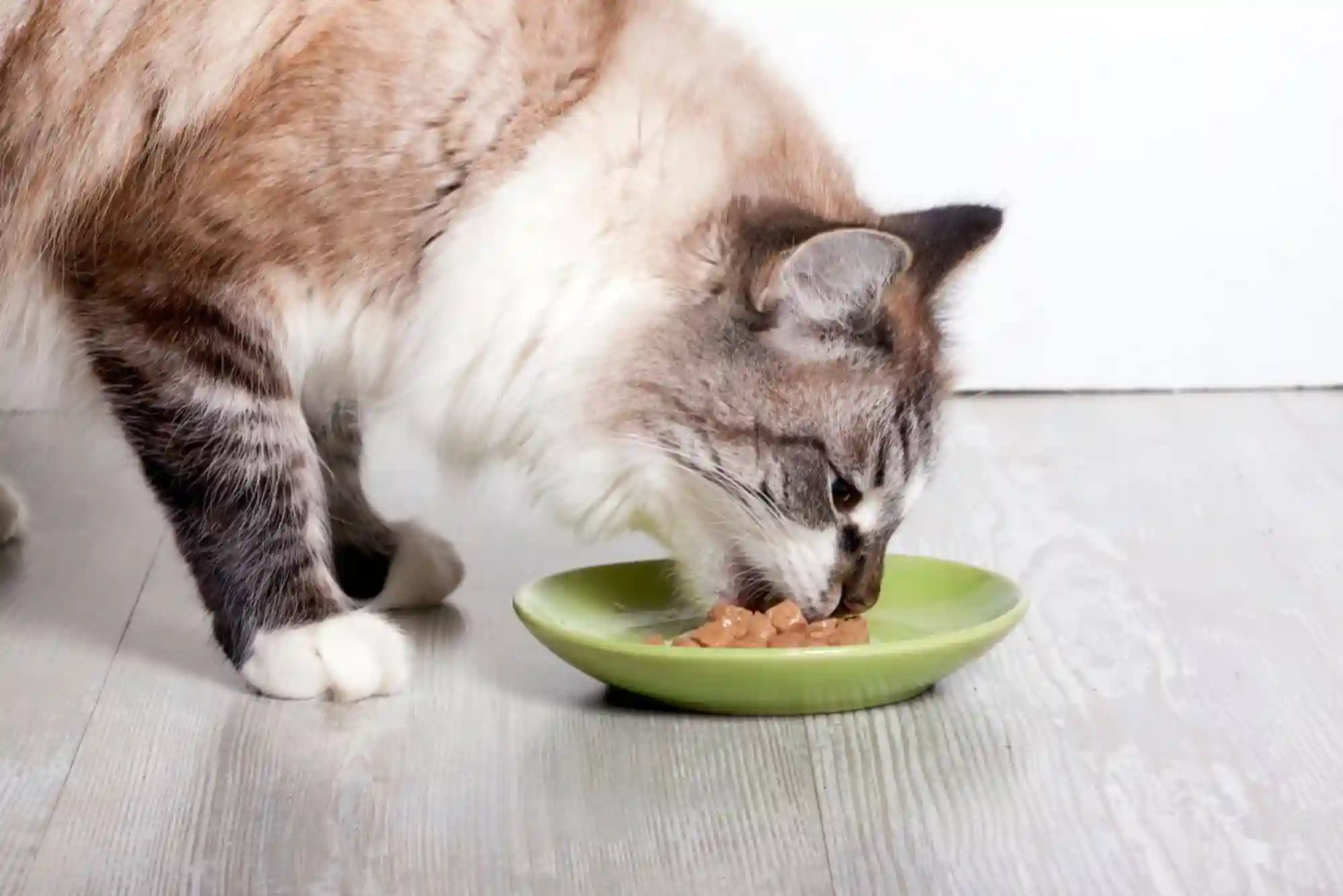
Dietary management is arguably the most powerful tool in reversing or controlling feline diabetes. Cats are obligate carnivores designed to thrive on high-protein, low-carb diets. Traditional dry kibble contains high levels of starches and carbohydrates. These ingredients cause rapid spikes in a cat’s blood sugar levels. Transitioning to low-carb wet food mimics a natural feline ancestral diet. Wet food typically contains less than ten percent carbohydrates on a dry matter basis. This dramatic reduction helps stabilize blood glucose and often lowers insulin needs. Reading pet food labels carefully will protect your cat from hidden sugars. Avoid foods listing corn, wheat, soy, rice, or potatoes high up in the ingredients. Look instead for named meat sources like chicken, turkey, or rabbit. Structuring a consistent feeding schedule supports your cat’s metabolic needs. Divide the daily food intake into two or more equal meals. Feed your cat at the exact same times you administer their insulin injections. Never leave food out all day, as grazing disrupts blood sugar regulation.
Preventing and Managing Complications
Living with a diabetic cat means staying vigilant against potential health crises. Hypoglycemia, or low blood sugar, is an emergency every owner must understand. Recognizing hypoglycemia symptoms can literally save your cat’s life. Signs include wobbling, extreme lethargy, muscle twitching, or sudden collapse. Always keep a tube of corn syrup or honey handy at home. Rub a small amount onto your cat’s gums if they show weakness. Diabetic ketoacidosis is another severe risk that occurs when diabetes goes unchecked. This life-threatening condition requires immediate veterinary hospitalization and intensive medical care. Regular veterinary checkups remain your best defense against these scary complications. Routine blood panels catch subtle shifts in organ function before they turn critical. Work closely with your veterinary team to adjust insulin doses safely over time.
Frequently Asked Questions
Can feline diabetes go into remission?
Yes, many cats achieve diabetic remission with early diagnosis and strict diet changes. Switching immediately to low-carb wet food and starting insulin allows the pancreas to heal. Some cats eventually stop needing insulin injections altogether.


How much does diabetic cat care cost?
The cost varies depending on your location and veterinary clinic pricing. Ongoing expenses typically include insulin, syringes, test strips, and specialized wet food. Budgeting for regular vet checkups and occasional blood tests is also necessary.
Can I feed my diabetic cat homemade food?
Homemade diets can work well if formulated by a veterinary nutritionist. You must ensure the recipe provides precise macronutrient ratios. Never guess the ingredients, as unbalanced diets worsen diabetes management.
What treats can I give a diabetic cat?
You should only offer high-protein, zero-carb treats to your diabetic cat. Freeze-dried chicken breast or pure meat treats make fantastic options. Avoid commercial cat treats packed with grains, starches, or added sugars.
Conclusion
Managing feline diabetes demands dedication, patience, and a consistent daily routine. By staying alert to feline diabetes symptoms, mastering insulin care, and implementing low-carb wet food meal plans, you give your cat the best care possible. Remember that you do not have to navigate this journey alone. Lean on your veterinary team for guidance, support, and professional adjustments whenever needed. Take the first step today by reviewing your cat’s current diet and scheduling a wellness check. Your proactive approach will reward you with many more happy years together.