Introduction
Bringing an older rescue dog home can be incredibly rewarding, but it can also come with challenges that aren’t obvious at first. Your new companion may have an unknown history, previous confinement experiences, separation fears, noise phobias, or simply no understanding of what a crate is supposed to mean. That is why learning how to crate train an older rescue dog requires more patience than simply closing the door and waiting for the dog to settle.
For a fearful rescue, the crate should become a place associated with safety, rest, food, and predictable routines. It should never become a punishment or a place where the dog is forced to endure panic. Veterinary behavior guidance recommends introducing confinement gradually and watching carefully for signs of distress.
The good news is that age does not prevent learning. An older dog can learn to enjoy a crate, even after years of living without one. The key is understanding the difference between mild hesitation and genuine fear, then adjusting the training accordingly.
Why Crate Training an Older Rescue Dog Is Different
A puppy usually has little history with confinement. An adult rescue may have years of experiences that you know nothing about. A crate could remind the dog of a shelter, transport, previous punishment, or long periods of isolation.
That history can influence how quickly the dog accepts a new crate.
Some older dogs walk inside immediately because they already associate crates with sleeping or traveling. Others may refuse to approach one. A dog may even seem comfortable with the crate door open but become frightened the moment the door closes.


This is why how to crate train an older rescue dog should not be treated as a fixed timetable. The dog’s behavior should determine when you move to the next stage.
The goal isn’t simply to make the dog stay inside. The goal is to teach the dog that the crate is a predictable, comfortable place where nothing threatening happens.
First, Determine Whether the Crate Is Actually Appropriate
Before beginning formal training, watch how your dog reacts around confinement.
A little hesitation is different from panic. A dog that sniffs the crate, walks away, and eventually investigates it again may simply need time. A dog that trembles, drools heavily, throws itself against the door, tries to chew through the bars, or repeatedly attempts to escape is experiencing a much more serious level of distress.
The ASPCA specifically warns that crates can increase anxiety in some dogs with separation anxiety. Heavy panting, excessive salivation, frantic escape attempts, persistent barking or howling are signs that another confinement arrangement may be more appropriate.
A baby-gated room, exercise pen, or carefully dog-proofed area can sometimes be safer than a crate.
This distinction matters because separation anxiety and confinement anxiety aren’t necessarily the same problem. A dog might panic because you have left, because the dog is physically confined, or because both situations happen simultaneously.
Prepare the Crate as a Safe Place
When learning how to crate train an older rescue dog, preparation is more important than many owners realize.
Choose a crate that allows the dog to stand up, turn around, stretch out, and lie comfortably. Put it somewhere your dog can still feel connected to the household rather than isolating the dog in a remote room. VCA recommends placing crates in areas where family members normally spend time.
Make the interior comfortable without overcrowding it. A familiar blanket, safe chew, or food-filled enrichment toy can help create positive associations.
Leave the door open initially.
Don’t push the dog inside. Don’t grab the collar and place the dog in the crate. Don’t repeatedly call the dog into it if the dog is showing hesitation.
Instead, allow curiosity to do some of the work.
Build Positive Associations Before Closing the Door
The first goal isn’t duration. It’s choice.
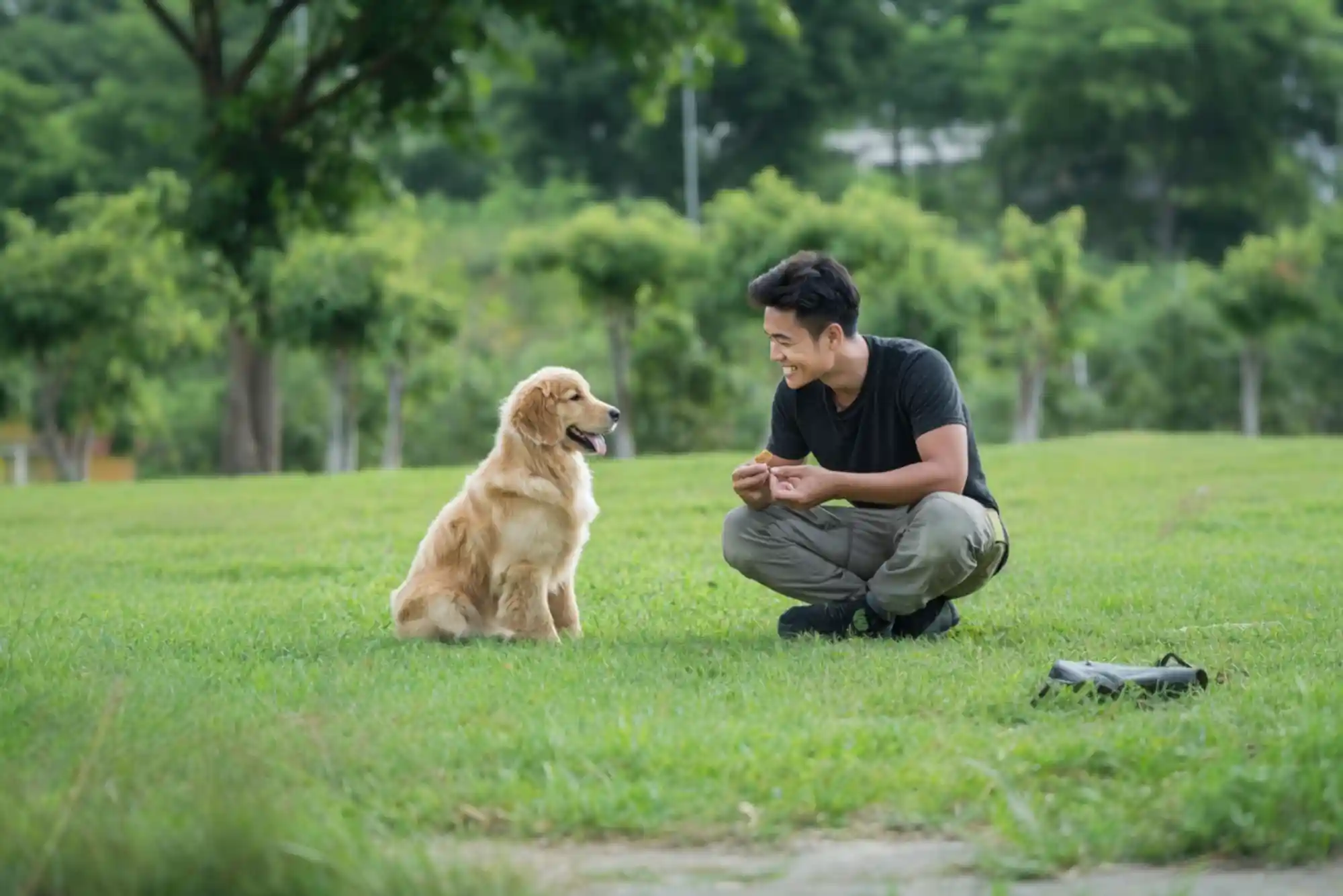
Drop a few treats near the entrance. When your dog becomes comfortable approaching the crate, place treats just inside. Eventually, you can place rewards farther toward the back.
If the dog steps inside, allow the dog to come straight back out.
That may sound too easy, but voluntary movement is valuable for a fearful rescue. You’re teaching, “I can enter this space and nothing bad happens.”
You can also feed meals near the crate and eventually inside it if your dog is comfortable. VCA recommends using meals, chews, food-stuffed toys, and other positive experiences to help dogs develop a favorable association with confinement.
If your dog stops eating or refuses a favorite treat when near the crate, take that as information. The training may have moved too quickly.
Introduce the Crate Door Gradually
Once your dog willingly enters and relaxes inside, begin experimenting with the door.
Don’t immediately shut it for several minutes.
Instead, move the door slightly and open it again. Reward calm behavior. Repeat several times.
Next, close it for one or two seconds while you remain beside the crate. Open it calmly and reward your dog.
If your dog remains relaxed, you can slowly increase the duration.
The important word is slowly.
For a confident dog, this progression might happen quickly. For a fearful older rescue, you may spend several days repeating a single step.
That isn’t failure. In anxiety work, staying below the dog’s fear threshold is often what allows learning to happen.
Teach Calmness While You Are Still in the Room
Before practicing departures, your dog should learn that being inside the crate while you are nearby is completely ordinary.
Sit nearby and read, watch television, or work on your computer while your dog rests.
You don’t need to constantly talk to the dog.
In fact, excessive reassurance can sometimes make the situation more emotionally intense. Instead, make calm behavior the normal experience.
Reward relaxed body language. If your dog lies down, quietly offer a treat. If the dog settles with a chew, let the dog enjoy it without interruption.
Over time, the crate should become boring in the best possible way.
Start Separation Training in Tiny Steps
This is where how to crate train an older rescue dog becomes closely connected with separation-anxiety training.
Don’t begin by leaving the house.
First, stand up and sit down.
Then walk a few steps away.
Next, briefly disappear behind an interior doorway and return.
If your dog remains relaxed, repeat the exercise.
Eventually, you can approach the front door, touch the handle, and return without leaving. This helps break the association between your departure cues and actual isolation.
The ASPCA recommends systematic desensitization and counterconditioning for separation anxiety. The principle is to expose the dog to very small amounts of the feared situation without allowing anxiety to escalate.
For a highly anxious dog, even a few seconds can be meaningful progress.
Practice Very Short Departures
When your dog can tolerate you moving around and briefly disappearing while the crate is closed, begin actual departures.
Start with an absence that your dog can comfortably handle.
For some dogs, that may be only one or two seconds.
Leave, return calmly, and wait until your dog is relaxed before repeating the exercise.
Don’t jump from five seconds to five minutes simply because the dog handled five seconds well.
Instead, build duration gradually.
The ASPCA’s separation-anxiety guidance emphasizes that absences should initially be extremely short and increased according to the individual dog’s tolerance.
A camera can be particularly useful here because some dogs become distressed after the owner disappears even though they look calm when the owner is still nearby. VCA also recommends monitoring early alone-time sessions so owners can identify hidden distress.
Understand Your Dog’s Phobias
Separation fear may not be your dog’s only trigger.
Older rescue dogs can also develop or display fears involving thunderstorms, fireworks, traffic, unfamiliar people, slippery flooring, certain rooms, loud appliances, or other environmental stimuli.
Older dogs may become more sensitive to noise and unfamiliar situations as sensory changes, pain, anxiety, or cognitive changes develop. The ASPCA recommends addressing potential medical causes alongside behavioral treatment in older dogs.
Don’t use the crate as a way to force your dog to confront a phobia.
If fireworks frighten your dog, for example, putting the dog into a crate and expecting the fear to disappear is unlikely to solve the underlying problem. Instead, create a secure environment and reduce exposure to the frightening stimulus while working separately on the fear.
The crate can be part of that safe environment only if the dog already finds it comforting.
Create a Predictable Daily Routine
An anxious rescue dog benefits from knowing what happens next.
Try to keep meals, walks, rest periods, training, playtime, and alone-time exercises reasonably predictable.
A consistent routine can reduce uncertainty and make behavioral training easier. VCA’s separation-anxiety guidance recommends establishing predictable routines and teaching dogs to settle independently before expecting them to cope well with absences.
Give your dog opportunities to relax away from you while you are still home.
For example, encourage your dog to rest on a mat while you work in another part of the room. Gradually increase distance without turning every separation into a major event.
Independence should become an ordinary part of daily life.
Avoid the Most Common Crate Training Mistakes
One of the biggest mistakes is moving too quickly.
Owners sometimes assume that if a dog entered the crate voluntarily once, the dog is ready to stay there for an hour. That’s not how confidence develops.
Another mistake is using the crate after punishment. A fearful dog needs to learn that the crate predicts safety, not consequences.
Never force a panicking dog to remain confined simply because you want the dog to “get used to it.” Fear can intensify when the dog repeatedly experiences situations that feel unavoidable.
Another common mistake is practicing departures that are much longer than the dog can tolerate. Every major panic episode can make future training harder.
Finally, don’t compare your rescue dog with someone else’s dog.
One dog may learn to sleep comfortably in a crate within a week. Another may need considerably longer. Rescue history, temperament, age, medical conditions, previous confinement experiences, and the severity of anxiety all influence progress.
Know When Professional Help Is Necessary
Severe anxiety isn’t a stubbornness problem.
If your dog is injuring the mouth or paws trying to escape, destroying the crate, refusing food, experiencing intense panic, or becoming progressively more anxious, stop trying to push through the problem on your own.
A veterinarian should also examine an older dog whose anxiety has appeared suddenly or become noticeably worse. Pain, sensory decline, cognitive dysfunction, and other medical issues can contribute to behavioral changes in senior dogs.
A veterinary behaviorist or appropriately qualified reward-based behavior professional can help determine whether you’re dealing with separation anxiety, confinement anxiety, a phobia, or several problems at once.
Medication may also be appropriate for some dogs. Medication doesn’t replace behavior modification, but reducing overwhelming anxiety can sometimes make learning possible.
How Long Does It Take to Crate Train an Older Rescue Dog?
There isn’t one reliable timeline.
A relaxed adult dog with previous crate experience may adapt quickly. A rescue with severe separation fears or a history of confinement may require weeks or longer.
Think in terms of behavioral milestones rather than calendar days.
Your first success might be walking voluntarily into the crate. The next might be lying down inside with the door open. Then perhaps remaining calm with the door closed for ten seconds.
Those small changes matter.
Progress isn’t measured by how long your dog can be locked away. It’s measured by how comfortable your dog feels.
When the Crate Should Not Be Your Main Solution
Some dogs simply aren’t good candidates for crate confinement.
If your dog is calm when free in a dog-proof room but panics when placed behind a crate door, the crate may be the trigger.
Similarly, if your dog becomes increasingly distressed whenever confinement is introduced, forcing more crate time isn’t necessarily responsible training.
VCA notes that some dogs may do better with a pen, small room, dog run, or gated area rather than a crate.
The ultimate goal is a safe, emotionally healthy dog—not a dog that tolerates confinement at any cost.
Give Your Rescue Dog Time to Trust
Learning how to crate train an older rescue dog is less about controlling the dog and more about building trust.
Start with an open crate. Let your dog investigate voluntarily. Pair the space with food, rest, enrichment, and calm experiences. Introduce the door gradually, then practice tiny periods of separation before increasing duration.
Most importantly, pay attention to what your dog is communicating.
A little hesitation can be worked through patiently. Genuine panic deserves a different response.
If your rescue dog has severe separation fears, phobias, or a history of traumatic confinement, consider speaking with your veterinarian or a qualified behavior professional before progressing. With the right approach, an older dog can learn that being alone doesn’t have to mean being unsafe.
FAQs
Can you crate train an older dog with separation anxiety?
Yes, but the approach needs to be especially gradual. Crate training may help if the dog already finds the crate comforting. However, some dogs become more distressed when confined, so the crate shouldn’t be treated as a cure for separation anxiety.
How do you crate train a dog with severe separation anxiety?
Begin by addressing the anxiety rather than immediately increasing crate time. Start with very short, controlled periods of separation that remain below the dog’s fear threshold. A veterinarian or qualified behavior professional may be necessary for severe cases.
Should I crate my dog if they have separation anxiety?
Not automatically. If your dog relaxes in the crate, it may be useful. If the crate causes heavy panting, excessive drooling, frantic escape attempts, persistent barking, or other signs of panic, another safe confinement arrangement may be better.
How do you crate train an older dog that has never been crated?
Start with the door open and allow the dog to investigate voluntarily. Place treats, meals, or safe enrichment inside and reward the dog for choosing to enter. Once the dog can relax inside, introduce brief door closures and gradually increase duration.
Is it too late to crate train an older rescue dog?
No. Older dogs can learn new behaviors. The important difference is that an adult rescue may have established habits or negative experiences that require a slower approach. Training should be based on the dog’s comfort rather than age.
How long does it take to crate train a rescue dog?
It varies considerably. A confident dog may progress quickly, while a fearful rescue can require weeks or longer. Moving slowly is usually more effective than trying to meet an arbitrary deadline.
What should I do if my rescue dog panics in the crate?
Don’t force the dog to remain there through severe distress. Stop the session, provide a safe alternative, and reassess whether confinement or separation is triggering the reaction. If panic is severe or the dog risks injury, contact a veterinarian or qualified behavior professional.